Lead generation isn’t just about collecting names—it’s about building relationships that convert. In today’s competitive market, mastering lead generation can be the ultimate game-changer for your business growth.


What Is Lead Generation and Why It Matters

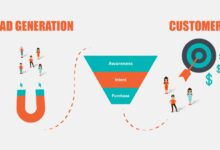
At its core, lead generation is the process of attracting and converting strangers into potential customers who have shown interest in your product or service. It’s the first critical step in the sales funnel, bridging the gap between marketing efforts and revenue.
The Evolution of Lead Generation
Lead generation has evolved dramatically over the past two decades. In the early 2000s, businesses relied heavily on cold calling, print ads, and trade shows to gather leads. Today, digital channels dominate the landscape, with online forms, social media, and content marketing leading the charge.
- Pre-internet era: Face-to-face interactions and direct mail were primary tools.
- Rise of the internet: Email marketing and basic websites opened new avenues.
- Modern digital age: AI-driven tools, chatbots, and data analytics personalize the experience.
This evolution reflects a shift from quantity-focused tactics to quality-driven strategies. According to HubSpot, companies that prioritize lead quality over quantity see up to 50% higher conversion rates.
Types of Leads in the Funnel
Not all leads are created equal. Understanding the different types helps tailor your follow-up strategy effectively.
Marketing Qualified Leads (MQLs): These individuals have engaged with your content—downloaded an eBook, subscribed to a newsletter, or visited key pages on your site—but aren’t ready to buy yet.Sales Qualified Leads (SQLs): MQLs who’ve been vetted by the sales team and show clear buying intent, such as requesting a demo or pricing information.Product Qualified Leads (PQLs): Common in SaaS businesses, these leads come from users who’ve interacted with a free trial or freemium version of your product and demonstrated usage patterns indicating readiness to upgrade..
Information Qualified Leads (IQLs): Prospects who’ve filled out a contact form asking for more details but haven’t engaged deeply with your brand.”A lead isn’t just a name and email—it’s a human with a problem you can solve.” — Anonymous Marketing Expert
Why Lead Generation Is Crucial for Business Growth
Without a steady stream of leads, even the best products can fail.Lead generation fuels every stage of the customer journey, ensuring sustainable growth and long-term success..
Driving Revenue and Scaling Sales
Every sale starts with a lead. A robust lead generation strategy ensures your sales team has a consistent pipeline of prospects to engage with. According to Salesforce’s State of Sales Report, high-performing sales teams spend 64% of their time selling, compared to only 36% for underperformers—largely due to efficient lead generation systems.
- Reduces downtime between deals.
- Enables accurate forecasting of future revenue.
- Supports scalability without proportional increases in marketing spend.
Building Brand Authority and Trust
Effective lead generation isn’t just transactional—it’s relational. By offering valuable content like guides, webinars, or free tools, you position your brand as a trusted advisor. This builds credibility and nurtures long-term loyalty.
- Content-based lead magnets establish thought leadership.
- Consistent communication via email nurtures trust over time.
- Personalized experiences increase perceived value.
Top 7 Lead Generation Strategies That Actually Work
Not all lead generation tactics deliver equal results. The most effective strategies combine value, relevance, and ease of engagement. Below are seven proven methods backed by data and real-world success.
1. Content Marketing with High-Value Lead Magnets
Content is still king when it comes to attracting qualified leads. But not just any content—high-value, problem-solving resources that require an email address to access.
- E-books and whitepapers: In-depth guides that solve specific pain points.
- Cheat sheets and templates: Practical tools that save time (e.g., SEO checklist, social media calendar).
- Webinars and workshops: Live or recorded sessions that educate and engage.
For example, HubSpot reports that businesses using gated content see a 300% increase in lead conversion compared to generic blog posts.
2. Search Engine Optimization (SEO) for Organic Lead Capture
SEO remains one of the most cost-effective ways to generate long-term leads. By ranking for keywords your audience is actively searching for, you attract visitors who are already interested in your niche.
- Optimize landing pages for buyer-intent keywords (e.g., “best CRM for small business”).
- Create pillar content and topic clusters to dominate search results.
- Use schema markup to enhance visibility in rich snippets.
A study by Backlinko found that the first result on Google gets 27.6% of all clicks, making top rankings crucial for lead visibility.
3. Paid Advertising with Precision Targeting
Paid ads offer immediate results when done right. Platforms like Google Ads and Facebook Ads allow hyper-targeted campaigns based on demographics, interests, and behaviors.
- Google Search Ads: Capture intent-driven traffic from users actively searching for solutions.
- Facebook & Instagram Lead Ads: Use pre-filled forms to reduce friction and boost conversions.
- LinkedIn Sponsored Content: Ideal for B2B lead generation with professional targeting.
According to WordStream, Facebook Lead Ads can reduce cost per lead by up to 50% compared to traditional landing page methods.
4. Email Marketing with Segmentation and Automation
Email continues to deliver one of the highest ROIs in lead generation—averaging $42 for every $1 spent (DMA, 2023). But success depends on strategy, not just volume.
- Segment your list based on behavior, industry, or lifecycle stage.
- Use automated drip campaigns to nurture leads over time.
- Personalize subject lines and content to increase open and click-through rates.
Tools like Mailchimp, ActiveCampaign, and Klaviyo make it easy to set up workflows that convert subscribers into customers.
5. Social Media Engagement and Community Building
Social media isn’t just for brand awareness—it’s a powerful lead generation channel when used strategically. Platforms like LinkedIn, Twitter (X), and even TikTok can drive targeted traffic.
- Host live Q&A sessions to engage prospects in real time.
- Share user-generated content to build social proof.
- Use polls and quizzes to spark interaction and collect insights.
LinkedIn, in particular, generates 80% of B2B leads online, according to LinkedIn Marketing Solutions.
6. Referral Programs and Word-of-Mouth Marketing
People trust recommendations from friends and colleagues more than any ad. A well-structured referral program turns satisfied customers into advocates.
- Offer incentives for both referrer and referee (e.g., discounts, credits).
- Make sharing easy with one-click referral links.
- Track performance and reward top referrers publicly.
Dropbox famously grew its user base by 60% in 15 months using a referral program, proving the power of viral lead generation.
7. Landing Pages Optimized for Conversion
No matter how great your offer is, a poorly designed landing page can kill conversions. A high-converting landing page removes distractions and focuses on a single goal: capturing the lead.
- Clear headline that communicates value instantly.
- Strong call-to-action (CTA) above the fold.
- Minimal form fields—only ask for essential information.
- Trust signals like testimonials, security badges, and client logos.
Unbounce reports that A/B testing landing pages can improve conversion rates by up to 30%, making optimization a must.
Tools and Technologies That Power Lead Generation
Manual lead generation is inefficient and unsustainable. The right tools automate processes, improve accuracy, and scale your efforts.
CRM Systems for Lead Management
Customer Relationship Management (CRM) platforms are the backbone of any serious lead generation strategy. They help track interactions, score leads, and streamline handoffs between marketing and sales.
- Salesforce: Industry leader with robust automation and analytics.
- HubSpot CRM: Free tier with excellent integration for inbound marketing.
- Zoho CRM: Affordable option with AI-powered insights.
Using a CRM increases sales productivity by 29%, according to Nucleus Research.
Marketing Automation Platforms
Automation tools allow you to deliver personalized messages at scale. From email sequences to social media posting, these platforms save time and boost engagement.
- HubSpot: All-in-one platform for content, email, and lead tracking.
- Marketo: Enterprise-grade solution for complex campaigns.
- ActiveCampaign: Strong automation workflows and CRM integration.
Marketers using automation see a 451% increase in qualified leads, per MarketingProfs.
Lead Capture and Form Tools
Forms are the gateway to your leads. Tools that make them smart, fast, and frictionless are essential.
- Typeform: Beautiful, interactive forms that feel conversational.
- Leadpages: Drag-and-drop builder for high-converting landing pages.
- Hotjar: Heatmaps and session recordings to optimize form placement.
Reducing form fields from 4 to 3 can increase conversions by 50%, as shown in tests by WPBeginner.
Measuring the Success of Your Lead Generation Campaigns
Generating leads is only half the battle—measuring their quality and impact is what drives improvement.
Key Performance Indicators (KPIs) to Track
To evaluate your lead generation effectiveness, focus on metrics that reflect both volume and quality.
- Conversion Rate: Percentage of visitors who become leads.
- Cost Per Lead (CPL): Total spend divided by number of leads acquired.
- Lead-to-Customer Rate: How many leads actually buy.
- Customer Acquisition Cost (CAC): Total marketing and sales cost to acquire a paying customer.
- Return on Ad Spend (ROAS): Revenue generated per dollar spent on advertising.
Tracking these KPIs helps identify which channels and campaigns deliver the best ROI.
A/B Testing for Continuous Optimization
Small changes can have big impacts. A/B testing allows you to compare two versions of a page, email, or ad to see which performs better.
- Test headlines, CTAs, images, and form lengths.
- Run tests for at least one full business cycle to ensure statistical validity.
- Use tools like Google Optimize or VWO for structured experiments.
According to VWO, companies that consistently A/B test see up to 30% higher conversion rates over time.
Common Lead Generation Mistakes to Avoid
Even experienced marketers fall into traps that undermine their lead generation efforts. Recognizing these pitfalls early can save time, money, and frustration.
Targeting the Wrong Audience
One of the biggest mistakes is casting too wide a net. Attracting leads who aren’t a good fit wastes resources and lowers conversion rates.
- Solution: Develop detailed buyer personas based on real customer data.
- Use intent data and firmographics to refine targeting.
- Regularly audit your lead sources for quality.
Overlooking Lead Nurturing
Only 25% of leads are ready to buy immediately. The rest need nurturing through valuable content and timely follow-ups.
- Solution: Implement email drip campaigns based on behavior.
- Use lead scoring to prioritize outreach.
- Personalize messaging to increase relevance.
Companies that excel at lead nurturing generate 50% more sales-ready leads at 33% lower cost, according to Forrester.
Poor Follow-Up and Sales Alignment
Marketing generates the leads, but sales must close them. Misalignment between teams leads to missed opportunities.
- Solution: Establish Service Level Agreements (SLAs) between marketing and sales.
- Hold regular sync meetings to review lead quality and feedback.
- Use shared CRM platforms for transparency.
“If marketing and sales don’t speak the same language, your funnel leaks revenue.” — Sales Leader, Tech Startup
Future Trends in Lead Generation
The world of lead generation is constantly evolving. Staying ahead requires embracing new technologies and shifting consumer behaviors.
AI and Predictive Lead Scoring
Artificial Intelligence is transforming how we identify and prioritize leads. Predictive lead scoring uses machine learning to analyze historical data and predict which prospects are most likely to convert.
- Tools like Salesforce Einstein and HubSpot Predictive Lead Scoring automate this process.
- Reduces guesswork and improves sales efficiency.
- Enables hyper-personalization at scale.
Gartner predicts that by 2025, 80% of B2B companies will use AI-driven lead scoring to enhance decision-making.
Voice Search and Conversational Marketing
With the rise of smart speakers and voice assistants, optimizing for voice search is becoming essential. Additionally, conversational marketing via chatbots and live chat is reshaping lead capture.
- Optimize content for natural language queries (e.g., “Where can I buy eco-friendly shoes near me?”).
- Use AI chatbots to qualify leads 24/7.
- Integrate live chat for instant engagement on high-intent pages.
According to Drift, 64% of consumers prefer messaging over phone calls when contacting a business.
Privacy-First Lead Generation
With increasing regulations like GDPR and CCPA, and the deprecation of third-party cookies, marketers must adapt to a privacy-first world.
- Focus on first-party data collection through value exchanges.
- Be transparent about data usage in privacy policies.
- Build trust by offering clear opt-in and opt-out options.
Consumers are more willing to share data when they receive something of value in return, such as exclusive content or personalized offers.
What is lead generation?
Lead generation is the process of attracting and converting individuals who are interested in your product or service into potential customers. It involves capturing contact information—usually via forms—in exchange for value, such as content, discounts, or consultations.
What are the best lead generation strategies?
The most effective strategies include content marketing with lead magnets, SEO, paid advertising, email marketing, social media engagement, referral programs, and optimized landing pages. The best approach depends on your audience, industry, and resources.
How do you measure lead generation success?
Track KPIs like conversion rate, cost per lead, lead-to-customer rate, customer acquisition cost, and return on ad spend. Use analytics tools and A/B testing to continuously refine your campaigns.
What tools are essential for lead generation?
Essential tools include CRM systems (e.g., HubSpot, Salesforce), marketing automation platforms (e.g., ActiveCampaign, Marketo), and lead capture tools (e.g., Typeform, Leadpages). These help manage, nurture, and convert leads efficiently.
How is AI changing lead generation?
AI is revolutionizing lead generation through predictive lead scoring, chatbots for instant engagement, and personalized content delivery. It enables businesses to identify high-quality leads faster and deliver hyper-relevant experiences at scale.
Lead generation is not a one-time tactic but a continuous process that fuels business growth. From understanding the different types of leads to implementing proven strategies like content marketing, SEO, and automation, success lies in consistency, measurement, and adaptation. By avoiding common mistakes, leveraging the right tools, and staying ahead of trends like AI and privacy-first marketing, businesses can build a sustainable pipeline of high-quality leads. The future of lead generation is smart, personalized, and human-centered—where value exchange creates lasting customer relationships.
Further Reading:
