Want to dominate the digital space? Mastering leads online is your golden ticket. Discover how to generate high-quality leads consistently, using smart, data-backed strategies that convert.


Understanding Leads Online: The Foundation of Digital Growth

Before diving into tactics, it’s crucial to understand what ‘leads online’ truly means. A lead is any individual who shows interest in your product or service by providing contact information—typically via a website form, social media interaction, or email subscription. In the digital world, these interactions happen across platforms, making the process both scalable and measurable.
What Exactly Are Leads Online?
Leads online refer to potential customers who engage with your brand through digital channels. Unlike traditional lead generation—like cold calling or print ads—online leads are captured through automated, trackable methods such as landing pages, chatbots, or social media campaigns. This shift has revolutionized marketing, allowing businesses to scale faster and with greater precision.
- Leads are captured via digital touchpoints like websites, apps, or social media.
- They often self-identify by submitting information (e.g., email, phone number).
- Online lead generation is measurable, allowing for real-time optimization.
Types of Online Leads: From Cold to Hot
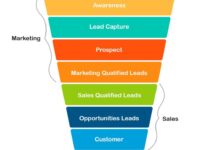
Not all leads are created equal. Understanding the spectrum helps prioritize follow-up efforts. Cold leads may have just visited your site, while hot leads have actively requested a demo or pricing info.
- Cold Leads: Minimal engagement, often from broad ad campaigns.
- Warm Leads: Engaged with content (e.g., downloaded a guide, watched a webinar).
- Hot Leads: Ready to buy, often requesting a quote or consultation.
“The quality of your leads determines the efficiency of your sales funnel.” — Neil Patel, Digital Marketing Expert
Why Leads Online Are Crucial for Business Success
In today’s hyper-competitive market, generating leads online isn’t optional—it’s essential. Companies that master online lead generation grow faster, reduce customer acquisition costs, and build sustainable pipelines. Whether you’re a startup or an enterprise, your ability to attract and convert online leads directly impacts revenue.
Cost-Effectiveness of Digital Lead Generation
Compared to traditional methods, online lead generation is significantly more cost-effective. Tools like Google Ads, Facebook Lead Ads, and SEO allow precise targeting with measurable ROI. According to HubSpot, businesses using inbound marketing (which focuses on leads online) spend 62% less per lead than those relying on outbound tactics.
- Digital ads can be optimized in real time for better performance.
- Automation tools reduce manual labor in lead capture and follow-up.
- Scalability allows small budgets to yield high returns with the right strategy.
Scalability and Global Reach
One of the biggest advantages of generating leads online is scalability. A well-optimized landing page can attract thousands of leads monthly—without increasing your team size. Plus, the internet removes geographical barriers, allowing even small businesses to target international markets.
- A single viral campaign can generate leads from multiple continents.
- Time-zone flexibility enables 24/7 lead capture.
- Localization tools (e.g., multilingual chatbots) enhance global lead engagement.
“Your website is your most important salesperson.” — David Ogilvy
Top 7 Strategies to Generate High-Quality Leads Online
Now that we understand the importance of leads online, let’s dive into the most effective strategies. These are proven, data-driven methods used by top marketers worldwide to fill their pipelines with qualified prospects.
1. Optimize Your Website for Lead Conversion
Your website is the frontline of your lead generation efforts. Even with high traffic, poor design or unclear calls-to-action (CTAs) can kill conversions. Focus on user experience, fast loading times, and clear value propositions.
- Use heatmaps (e.g., Hotjar) to analyze user behavior.
- Place CTAs above the fold and in multiple locations.
- Ensure mobile responsiveness—over 60% of web traffic comes from mobile devices.
For best practices, check out Google PageSpeed Insights, which helps identify performance bottlenecks affecting lead capture.
2. Leverage Content Marketing to Attract Leads Online
Content is king when it comes to attracting organic leads. High-value blog posts, eBooks, and videos position your brand as an authority and encourage visitors to share their information in exchange for insights.
- Create lead magnets like free templates, checklists, or industry reports.
- Use SEO to rank for keywords that attract buyer-intent traffic.
- Promote content through email newsletters and social media.
A study by Content Marketing Institute found that content marketing generates three times as many leads as traditional outbound marketing, at a fraction of the cost.
3. Use Paid Advertising to Accelerate Lead Generation
While organic growth is sustainable, paid ads provide immediate results. Platforms like Google Ads and Facebook Ads allow hyper-targeted campaigns to reach specific demographics, interests, and behaviors.
- Use A/B testing to refine ad copy and visuals.
- Retarget visitors who didn’t convert with dynamic ads.
- Set up conversion tracking to measure cost per lead (CPL).
For example, Facebook Lead Ads let users submit forms without leaving the platform, increasing completion rates by up to 50% compared to traditional landing pages.
4. Build an Email List with Strategic Opt-Ins
Email remains one of the highest ROI channels for nurturing leads online. By offering value upfront—like a free course or discount—you can build a permission-based list of engaged prospects.
- Use pop-ups, slide-ins, and embedded forms strategically.
- Segment your list based on behavior for personalized follow-ups.
- Automate drip campaigns to guide leads through the funnel.
According to Campaign Monitor, email marketing delivers $42 for every $1 spent—making it a powerhouse for lead nurturing.
5. Utilize Social Media to Engage and Convert Leads
Social platforms aren’t just for brand awareness—they’re powerful lead generation tools. LinkedIn, for instance, generates 80% of B2B leads online, while Instagram and TikTok are ideal for B2C audiences.
- Host live Q&A sessions to capture interest.
- Use lead-generation forms on LinkedIn and Facebook.
- Collaborate with influencers to expand reach.
Tools like Buffer or Hootsuite help schedule content and track engagement, ensuring consistent lead flow.
6. Implement Chatbots and Live Chat for Instant Engagement
Visitors leave websites in seconds if they can’t find answers. Chatbots and live chat tools bridge that gap, engaging users in real time and capturing leads even after hours.
- Use AI chatbots to qualify leads before human handoff.
- Offer instant downloads or consultations via chat.
- Integrate with CRM systems for seamless follow-up.
Drift, a conversational marketing platform, reports that businesses using chatbots see a 30-50% increase in qualified leads online.
7. Host Webinars and Virtual Events to Generate Authority Leads
Webinars are one of the most effective ways to generate high-intent leads. Attendees self-select as interested, and the interactive format builds trust quickly.
- Promote webinars through email, social, and paid ads.
- Require registration to capture lead data.
- Follow up with recordings and offers to nurture leads.
GoToWebinar data shows that the average registration-to-attendance rate is 40-50%, with 20-30% of attendees converting to sales-qualified leads.
Tools and Technologies to Capture Leads Online
Generating leads online isn’t just about strategy—it’s also about using the right tools. From CRM systems to landing page builders, technology plays a critical role in automating and optimizing the lead funnel.
CRM Platforms: Managing Leads at Scale
Customer Relationship Management (CRM) tools like HubSpot, Salesforce, and Zoho CRM help organize, track, and nurture leads online. They centralize communication, automate follow-ups, and provide analytics to improve conversion rates.
- Automate lead scoring based on engagement.
- Sync with email and social platforms for unified data.
- Generate reports on lead source performance.
HubSpot’s free CRM, for example, offers robust lead management features without upfront cost—ideal for startups and small businesses.
Landing Page Builders for High-Converting Forms
A well-designed landing page can make or break your lead generation. Tools like Unbounce, Leadpages, and Instapage allow drag-and-drop creation of high-converting pages without coding.
- Use A/B testing to optimize headlines, images, and CTAs.
- Integrate with email marketing and CRM tools.
- Ensure GDPR and CCPA compliance for data collection.
According to Unbounce, the average landing page conversion rate is 4.02%, but top performers achieve over 10% with optimization.
Email Automation and Marketing Tools
Once you’ve captured leads online, nurturing them is key. Tools like Mailchimp, ActiveCampaign, and Klaviyo automate personalized email sequences based on user behavior.
- Send welcome emails immediately after sign-up.
- Trigger follow-ups based on link clicks or downloads.
- Use segmentation to deliver relevant content.
ActiveCampaign’s automation workflows can reduce manual effort by 70% while increasing lead-to-customer conversion rates.
Measuring the Success of Your Leads Online Campaigns
Generating leads online is only half the battle. Measuring performance ensures you’re investing in what works and eliminating what doesn’t. Key metrics provide insights into ROI, efficiency, and areas for improvement.
Key Performance Indicators (KPIs) for Lead Generation
To evaluate your leads online strategy, track these essential KPIs:
- Conversion Rate: Percentage of visitors who become leads.
- Cost Per Lead (CPL): Total spend divided by number of leads generated.
- Lead-to-Customer Rate: Percentage of leads that convert to paying customers.
- Customer Acquisition Cost (CAC): Total marketing and sales cost per new customer.
Monitoring these metrics helps refine campaigns and allocate budgets more effectively.
Using Analytics Tools to Track Lead Behavior
Google Analytics, Facebook Pixel, and CRM dashboards provide deep insights into how leads interact with your content. Set up goals and funnels to see where users drop off and where they convert.
- Track user paths from ad click to form submission.
- Use UTM parameters to identify high-performing channels.
- Monitor bounce rates and session duration for landing page optimization.
For advanced tracking, tools like Mixpanel or Amplitude offer behavioral analytics that reveal user intent and engagement patterns.
Common Mistakes to Avoid When Generating Leads Online
Even experienced marketers make errors that sabotage lead generation. Avoiding these pitfalls can save time, money, and frustration.
Targeting the Wrong Audience
One of the most common mistakes is casting too wide a net. Targeting everyone means converting no one. Define your ideal customer profile (ICP) and tailor messaging accordingly.
- Use buyer personas to guide ad targeting and content creation.
- Refine audience segments based on performance data.
- Avoid generic messaging—speak directly to pain points.
Ignoring Lead Nurturing
Capturing a lead is just the beginning. Without follow-up, most leads go cold. A study by MarketingDonut found that 80% of leads are lost due to lack of nurturing.
- Send a series of value-driven emails after opt-in.
- Use retargeting ads to stay top-of-mind.
- Personalize communication based on lead behavior.
Poor Landing Page Design
A confusing or cluttered landing page kills conversions. Keep design simple, focused, and aligned with the ad message.
- Remove navigation menus to reduce distractions.
- Use strong headlines and benefit-driven copy.
- Include trust signals like testimonials or security badges.
“If you think technology is expensive, try ignorance.” — Howard Aiken
Future Trends in Leads Online Generation
The landscape of leads online is evolving rapidly. Staying ahead requires embracing new technologies and shifting consumer behaviors.
AI and Predictive Lead Scoring
Artificial Intelligence is transforming how leads are identified and prioritized. AI-powered tools analyze historical data to predict which leads are most likely to convert, enabling smarter resource allocation.
- Tools like Salesforce Einstein and HubSpot AI offer predictive scoring.
- AI chatbots qualify leads in real time.
- Machine learning improves targeting over time.
Voice Search and Smart Assistants
With the rise of Alexa, Google Assistant, and Siri, voice search is changing how users find information. Optimizing for voice queries—often longer and more conversational—can capture new leads online.
- Use natural language in content and FAQs.
- Optimize for local search (e.g., “best CRM near me”).
- Ensure fast mobile performance for voice-driven traffic.
Privacy-First Lead Generation
With increasing regulations (GDPR, CCPA) and browser changes (e.g., third-party cookie deprecation), marketers must adapt. First-party data collection and transparent consent practices are becoming the norm.
- Use zero-party data (information willingly shared by users).
- Offer clear value in exchange for data.
- Build trust through privacy policies and secure forms.
Apple’s App Tracking Transparency and Google’s Privacy Sandbox are pushing the industry toward more ethical, user-centric lead generation.
What are leads online?
Leads online are individuals who express interest in your product or service through digital channels, such as website forms, social media, or email subscriptions. They are potential customers captured via the internet.
How can I generate more leads online?
You can generate more leads online by optimizing your website, creating valuable content, using paid ads, building an email list, leveraging social media, using chatbots, and hosting webinars. Consistency and testing are key.
What tools help capture leads online?
Popular tools include HubSpot (CRM), Unbounce (landing pages), Mailchimp (email marketing), Drift (chatbots), and Google Analytics (tracking). These help automate and optimize lead generation.
Why is lead nurturing important?
Lead nurturing builds trust and guides prospects through the buyer’s journey. Without it, most leads go cold. Automated email sequences and retargeting keep your brand top-of-mind.
What is the future of leads online?
The future includes AI-driven lead scoring, voice search optimization, and privacy-first strategies. Marketers must adapt to changing technology and consumer expectations to stay competitive.
Generating leads online is no longer a luxury—it’s a necessity for sustainable business growth. From understanding lead types to deploying advanced tools and avoiding common mistakes, every step impacts your success. The strategies outlined—content marketing, paid ads, email nurturing, and AI—provide a comprehensive roadmap. As technology evolves, so must your approach. Stay agile, measure relentlessly, and focus on delivering value. Master leads online, and you master the future of marketing.
Further Reading:
